
Looking for the right life insurance as you enter your 60s in the UK can feel overwhelming. There are many factors to consider, and every person’s needs are unique. That’s where an over 60 life insurance calculator comes in—it helps you estimate costs, compare policies, and understand the options tailored for your age group. In this guide, you’ll discover 60 important items you should know, check, or compare when using a life insurance calculator for people over 60 in the UK. Each item is explained simply, so you can make confident decisions and avoid common mistakes.
What Is An Over 60 Life Insurance Calculator?
An over 60 life insurance calculator is an online tool designed to help people aged 60+ estimate their life insurance costs. You enter your details, and the calculator shows possible premium amounts and coverage options. It makes comparing policies easier, so you can find the best fit for your needs.
60 Key Items To Check With An Over 60 Life Insurance Calculator
Below, you’ll find 60 points to review, each helping you understand what matters when choosing a policy. Use these as a checklist to get the most accurate results and avoid hidden surprises.
1. Age
Your current age affects premium rates directly. Policies for people aged 60–65 often cost less than those for 70+.
2. Gender
Some calculators ask for gender since statistics show women generally live longer, which can influence premium costs.
3. Smoker Status
If you smoke, expect higher premiums. Non-smokers often get better rates.
4. Health Conditions
Disclose major health issues like diabetes, heart disease, or cancer. These can affect eligibility and price.
5. Height
Your height and weight help calculate BMI, which insurers use to assess risk.
6. Weight
Accurate weight is important for risk assessment. Underweight and overweight applicants may face different premiums.
7. Body Mass Index (bmi)
Some calculators use BMI to estimate health risks and adjust premiums accordingly.
8. Cover Amount
Decide how much money you want your policy to pay out—£10,000, £50,000, or more.
9. Policy Length
Choose between whole-of-life or fixed-term cover. Whole-of-life covers you until death; fixed-term covers a set number of years.
10. Type Of Policy
Options include level term, decreasing term, or whole-of-life. Each suits different needs.
11. Single Or Joint Policy
Joint policies cover two people (usually spouses) and may offer better value.
12. Premium Type
Select between fixed premiums (stay the same) or reviewable premiums (can change).
13. Payment Frequency
Decide if you’ll pay monthly or annually. Some insurers offer discounts for annual payments.
14. Existing Life Insurance
Declare any current policies—this may affect eligibility or payout.
15. Employment Status
Retired, working part-time, or full-time? Your job may affect premium rates.
16. Income
Your annual income can influence how much cover you need.
17. Mortgage Details
If you have a mortgage, include its value. Some policies are designed to pay off mortgages.
18. Debts
List other debts to ensure your cover will protect your loved ones.
19. Dependants
Include children, grandchildren, or other people who rely on you financially.
20. Funeral Costs
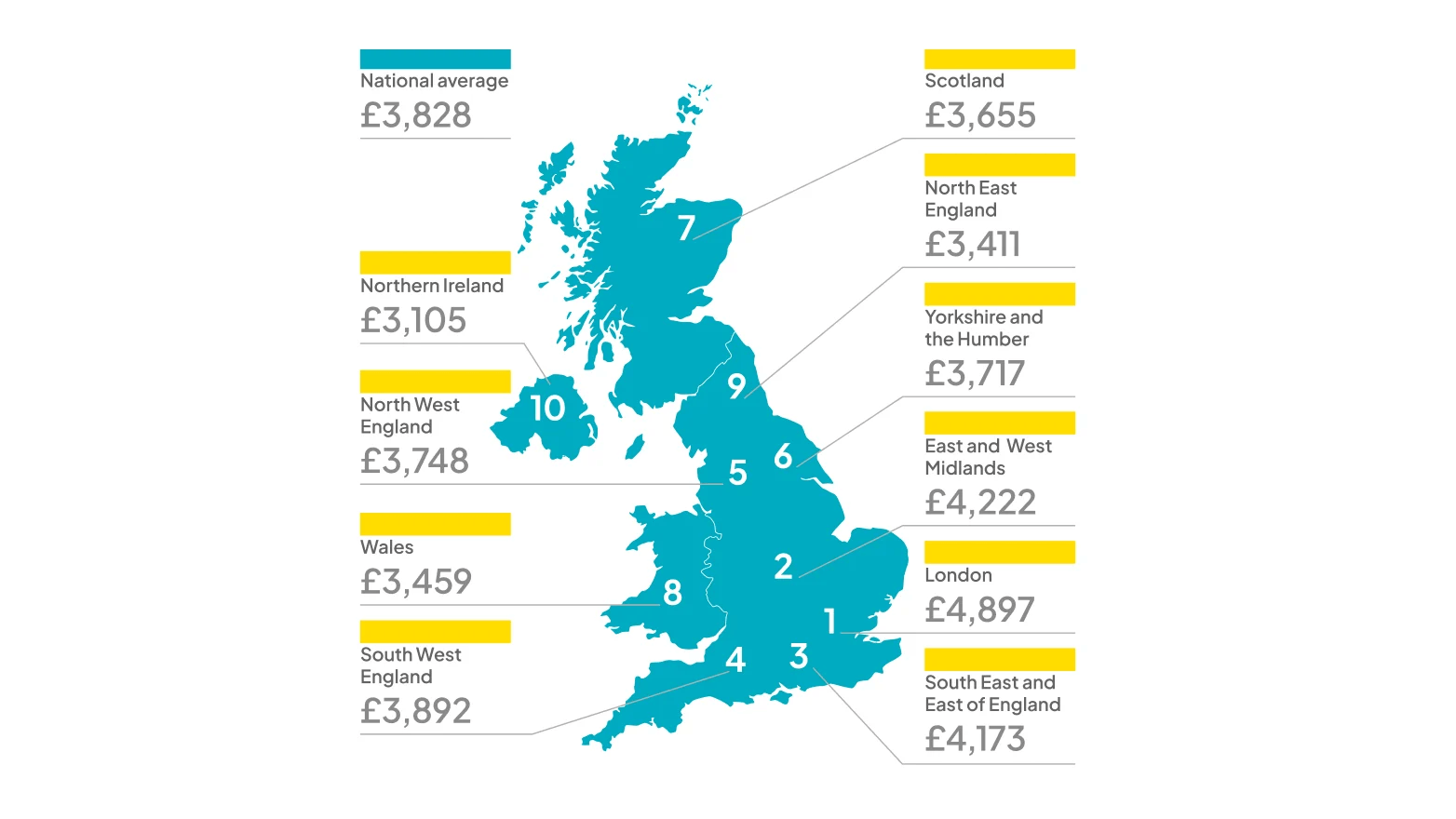
Many people use life insurance to cover funeral expenses. Average UK funeral cost is around £3,600.
21. Inheritance Planning
Some policies help you leave money to your family, reducing inheritance tax.
22. Medical History
Some calculators ask about family medical history for more precise quotes.
23. Medication
Disclose regular medication for accurate risk assessment.
24. Hospital Visits
Frequent hospitalisations can affect eligibility and costs.
25. Recent Surgeries
Recent surgery may increase premiums or require a waiting period.
26. Gp Reports
Some policies may require a report from your GP.
27. Lifestyle Habits
High-risk hobbies (skydiving, scuba diving) can raise premiums.
28. Alcohol Consumption
Heavy drinking increases risk and premiums.
29. Driving Record
Serious driving offences may affect eligibility.
30. Travel Plans
Frequent travel to risky regions can increase premiums.
31. Critical Illness Cover
Some calculators let you add critical illness cover for extra protection.
32. Terminal Illness Cover
Terminal illness cover allows early payout if diagnosed with a terminal illness.
33. Exclusions
Check what is not covered (e.g., suicide, dangerous sports).
34. Waiting Periods
Policies may have waiting periods before payouts for certain causes.
35. Guaranteed Acceptance
Some over 60 policies offer guaranteed acceptance with no medical checks.
36. Maximum Age Limit
Insurers often have an upper age limit—usually 80 or 85.
37. Minimum Age
Some policies start at 50 or 55, but focus on over 60.
38. Payout Options
Choose lump sum or monthly payments to beneficiaries.
39. Beneficiary Details
Specify who will receive the payout.
40. Policy Provider
Compare different providers for reputation and reliability.
41. Customer Reviews
Read reviews to learn about customer satisfaction and claims process.
42. Financial Strength
Choose a provider with strong financial backing.
43. Claim Process
Check how easy it is to make a claim.
44. Documentation
Know what documents are needed for claims.
45. Inflation Protection
Some policies offer inflation-linked payouts to maintain value.
46. Policy Fees
Look for extra fees—admin charges can add up.
47. Cancellation Terms
Check how to cancel and if there are penalties.
48. Cooling-off Period
Most policies offer a cooling-off period (usually 30 days) for refunds.
49. Reinstatement Options
If You Miss Payments, Can You Reinstate The Policy?
50. Policy Updates
Can You Adjust Cover As Your Needs Change?
51. Free Cover Period
Some insurers provide a short period of free cover at the start.
52. Payment Methods
Check payment options—direct debit, card, etc.
53. Adviser Support
Some calculators connect you with advisers for guidance.
54. Online Quotes
Get instant quotes online for quick comparison.
55. Policy Summary
Read a clear summary before committing.
56. Uk Regulations
Make sure the policy follows UK insurance laws.
57. Tax Implications
Understand how payouts affect inheritance tax.
58. Trusts
Placing your policy in a trust can protect payouts from tax.
59. Affordability
Use calculators to check if premiums fit your budget.
60. Long-term Value
Consider if the policy gives good value over time.
Comparing Over 60 Life Insurance Policies
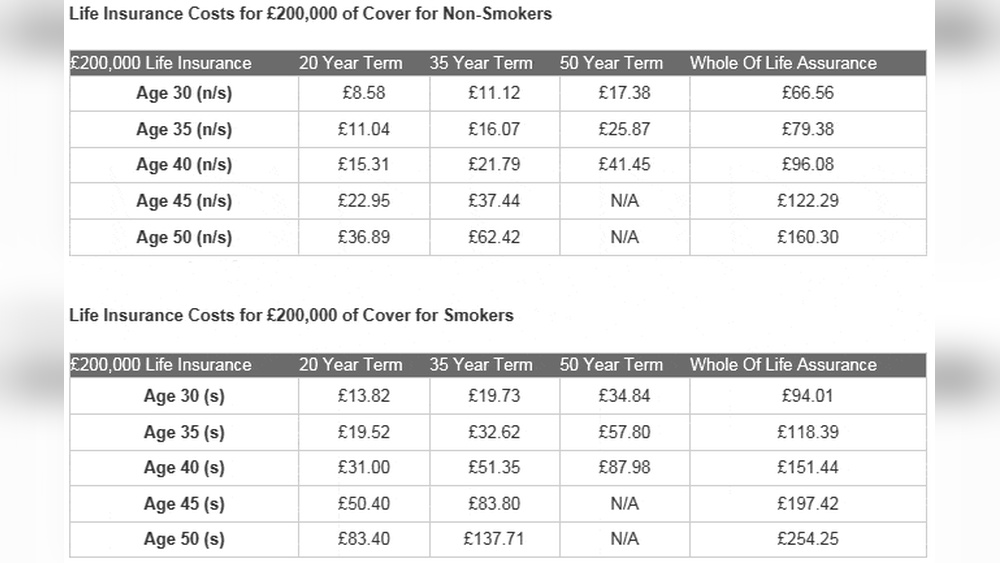
To help you compare policies, here’s a quick example of how three typical UK providers stack up for over 60s:
| Provider | Monthly Premium | Cover Amount | Guaranteed Acceptance | Waiting Period |
|---|---|---|---|---|
| Provider A | £25 | £10,000 | Yes | 12 months |
| Provider B | £32 | £15,000 | Yes | 24 months |
| Provider C | £29 | £12,000 | No | 6 months |
Data Insights: Typical Premiums For Over 60s
Here’s a snapshot of average monthly premiums for over 60s, based on cover amount:
| Age | £10,000 Cover | £15,000 Cover | £20,000 Cover |
|---|---|---|---|
| 60–65 | £22 | £32 | £41 |
| 66–70 | £29 | £41 | £52 |
| 71–75 | £38 | £54 | £67 |
Example: Using An Over 60 Life Insurance Calculator
Imagine you’re 62, female, non-smoker, seeking £15,000 whole-of-life cover. You enter your details into the calculator:
- Age: 62
- Gender: Female
- Smoker: No
- Cover Amount: £15,000
- Policy Type: Whole-of-life
- Premium Type: Fixed
The calculator estimates your monthly premium at £30, with guaranteed acceptance and a 12-month waiting period for natural causes. You compare this with other options to find the best value.
Common Mistakes When Using Calculators
- Underestimating costs – Many people forget to include funeral expenses or debts.
- Missing health details – Not listing all conditions can lead to inaccurate quotes.
- Ignoring policy exclusions – Some calculators don’t highlight what’s not covered.
- Choosing the wrong policy type – Pick the policy that suits your needs, not just the cheapest.
- Skipping reviews – Always read customer feedback for real experiences.

Non-obvious Insights For Beginners
- Guaranteed acceptance sounds attractive, but often comes with low payout limits and waiting periods.
- Placing your policy in a trust can avoid inheritance tax and speed up payouts, but few calculators mention this.
- If you’re still working or have significant assets, decreasing term insurance can protect against mortgage debt, even after 60.
Practical Tips For Over 60s
- Compare at least three policies before deciding.
- Check if your provider offers inflation protection.
- Always read the policy summary and cancellation terms.
- Use the calculator’s adviser support if you have questions.
- If you want to leave a legacy, consider inheritance planning features.
For more in-depth information on life insurance for seniors in the UK, visit Money Advice Service.
:max_bytes(150000):strip_icc()/life-insurance-policies-how-payouts-work.asp-final-8b7370a242df451d9caea293bc6eb300.png)
Frequently Asked Questions
What Is The Best Type Of Life Insurance For Over 60s In The Uk?
For most, whole-of-life insurance or guaranteed acceptance plans are best. These cover you for life, but premiums and payouts vary.
Can I Get Life Insurance With Pre-existing Health Conditions?
Yes, but expect higher premiums. Some over 60 plans do not require medical checks, though they may have lower payouts.
How Do Waiting Periods Work In Over 60 Life Insurance?
Policies often have waiting periods (12–24 months) before paying out for natural causes. They usually pay out for accidental death immediately.
Are Life Insurance Premiums Fixed Or Can They Increase?
Many over 60 policies offer fixed premiums, but some may be reviewable. Always check with your provider.
Will My Life Insurance Payout Be Taxed?
Usually, payouts are tax-free. However, if your estate is above the inheritance tax threshold, placing your policy in a trust can help avoid taxes.
Choosing the right life insurance after 60 is important for peace of mind. An over 60 life insurance calculator is a powerful tool, but only if you know what to check, compare, and ask. By reviewing all 60 key items, understanding the data, and avoiding common mistakes, you can confidently find a policy that protects your loved ones and fits your budget.

Co-Founder, Owner, and CEO of MaxCalculatorPro.
Ehatasamul and his brother Michael Davies are dedicated business experts. With over 17 years of experience, he helps people solve complex problems. He began his career as a financial analyst. He learned the value of quick, accurate calculations.
Ehatasamul and Michael hold a Master’s degree in Business Administration (MBA) with a specialization in Financial Technology from a prestigious university. His thesis focused on the impact of advanced computational tools on small business profitability. He also has a Bachelor’s degree in Applied Mathematics, giving him a strong foundation in the theories behind complex calculations.
Ehatasamul and Michael’s career is marked by significant roles. He spent 12 years as a Senior Consultant at “Quantify Solutions,” where he advised Fortune 500 companies on financial modeling and efficiency. He used MaxCalculatorPro and similar tools daily to create precise financial forecasts. Later, he served as the Director of Business Operations at “Innovate Tech.” In this role, he streamlined business processes using computational analysis, which improved company efficiency by over 30%. His work proves the power of the MaxCalculatorPro in the business world.
Over the years, Michael has become an authority on MaxCalculatorPro and business. He understands how technology can drive growth. His work focuses on making smart tools easy to use. Michael believes everyone should have access to great calculators. He writes guides that are simple to read. His goal is to share his knowledge with everyone. His advice is always practical and easy to follow.